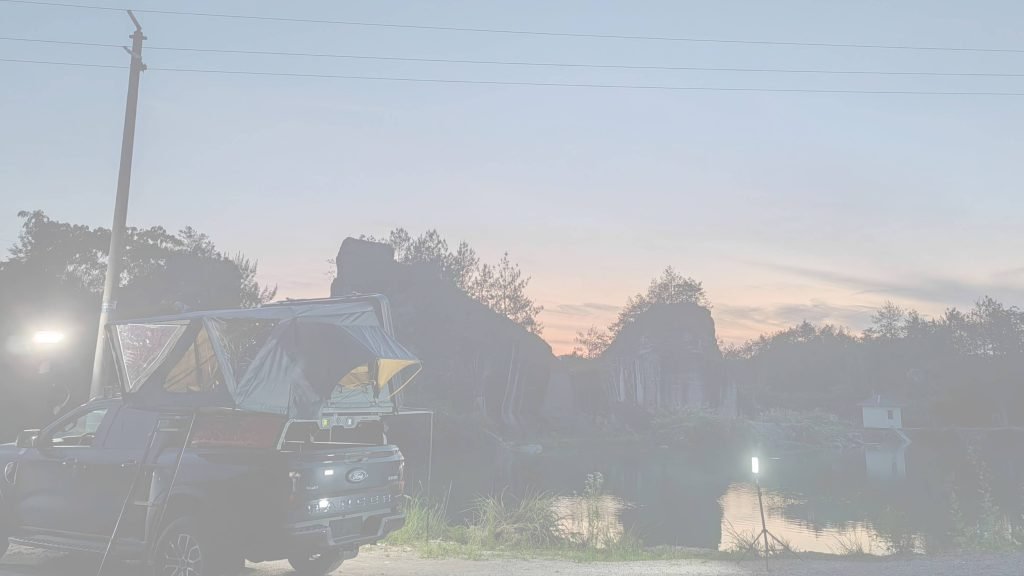
overlanding rooftop tent camping setup suv
Introduction
Overlanding has rapidly evolved from a niche outdoor activity into a global lifestyle trend. From Australia to North America, more consumers are investing in vehicles, gear, and equipment designed for long-distance, self-reliant travel.
At the center of this movement is one key product: the rooftop tent.
For dealers and distributors, this presents a major opportunity—but also a challenge:
👉 Which rooftop tents should you stock to meet overlanding demand and maximize profit in 2026?
In this guide, we’ll break down:
- What overlanding customers are really looking for
- The best types of rooftop tents for this segment
- A practical stocking strategy for dealers
What Overlanding Customers Really Want
Overlanding customers are different from casual campers. They prioritize performance, reliability, and convenience over price.
Key buying factors:
1. Durability in harsh environments
- Wind, rain, dust, and extreme temperatures
- Long-term outdoor exposure
2. Fast setup and pack-down
- Frequent stops during travel
- Preference for quick deployment
3. Lightweight and vehicle compatibility
- Suitable for SUVs and 4WD vehicles
- Minimal impact on fuel consumption
4. Compact design when closed
- Better aerodynamics
- Easier driving experience
👉 Dealers must align product selection with these expectations to succeed.
Best Rooftop Tent Types for Overlanding
Not all rooftop tents are suitable for overlanding. Below are the most effective categories for dealers.
1. Aluminum Hard Shell Rooftop Tents (Top Choice)
These are currently the most popular option among overlanding enthusiasts.
Why they perform well:
- Quick setup (often within seconds)
- Strong aluminum structure
- Slim and aerodynamic design
- Better resistance to weather
Dealer advantage:
- Higher selling price
- Strong demand in premium segment
- Better brand positioning
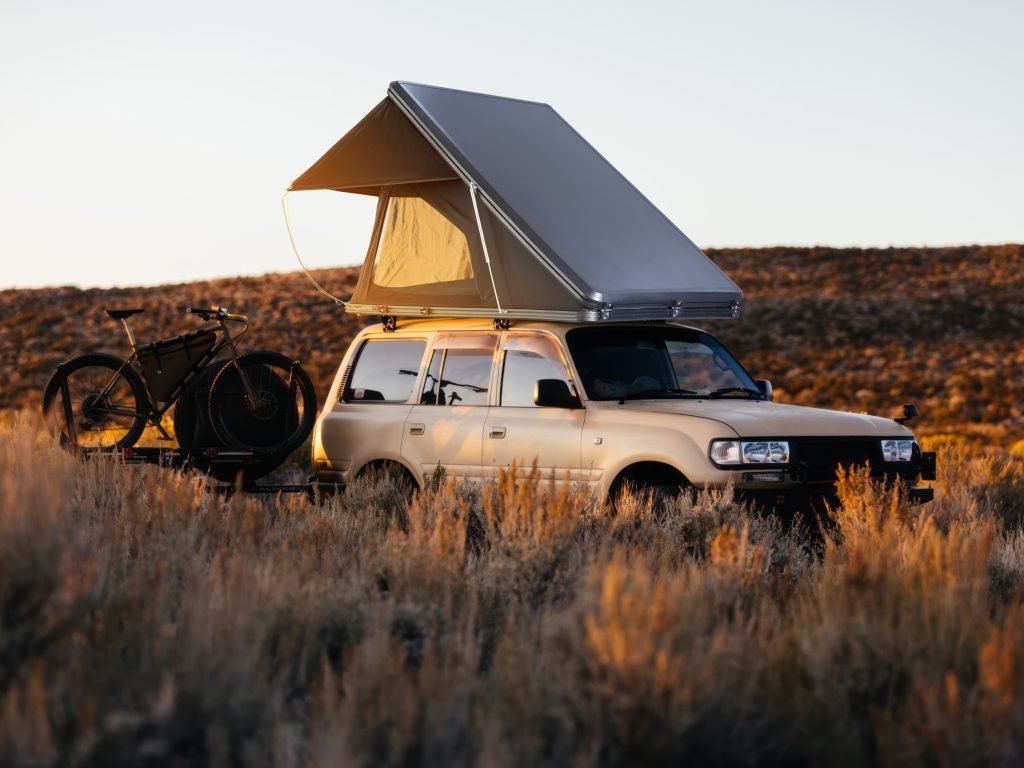
👉 These tents are ideal for customers who travel frequently and value convenience.
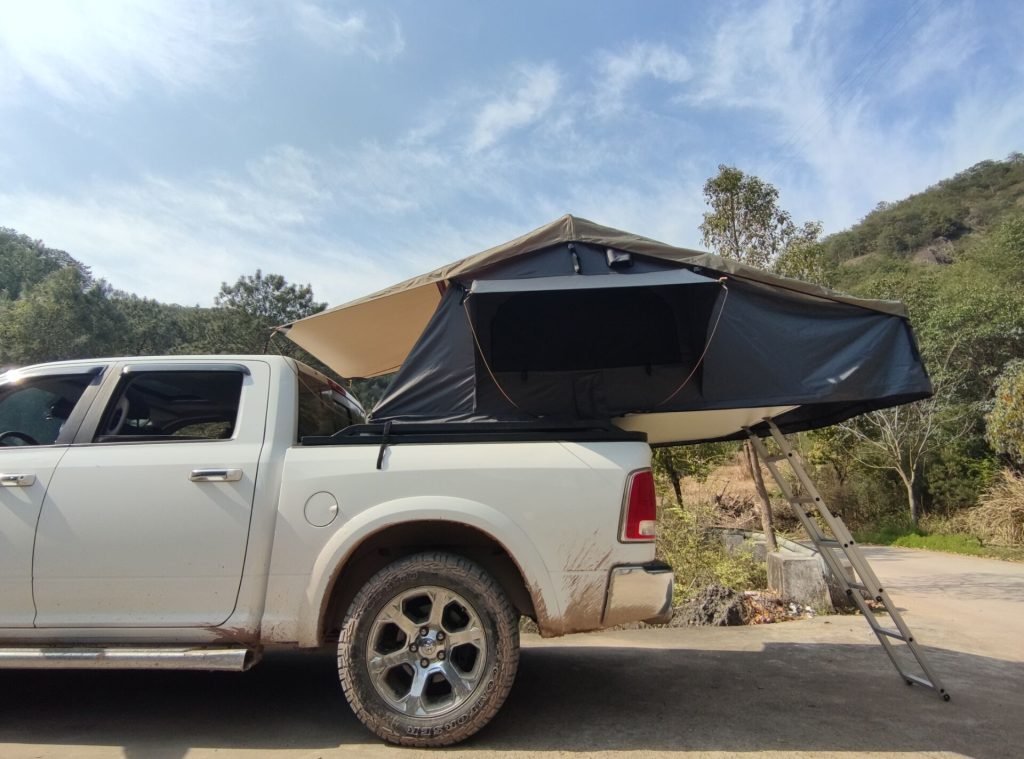
2. Soft Shell Rooftop Tents (Volume Seller)
Soft shell tents remain relevant, especially for entry-level buyers.
Advantages:
- Lower price point
- Larger sleeping space
- Easier market entry for new customers
Limitations:
- Slower setup
- Less durable in extreme conditions
👉 Dealers often use soft shell tents to:
- Attract price-sensitive customers
- Increase overall sales volume
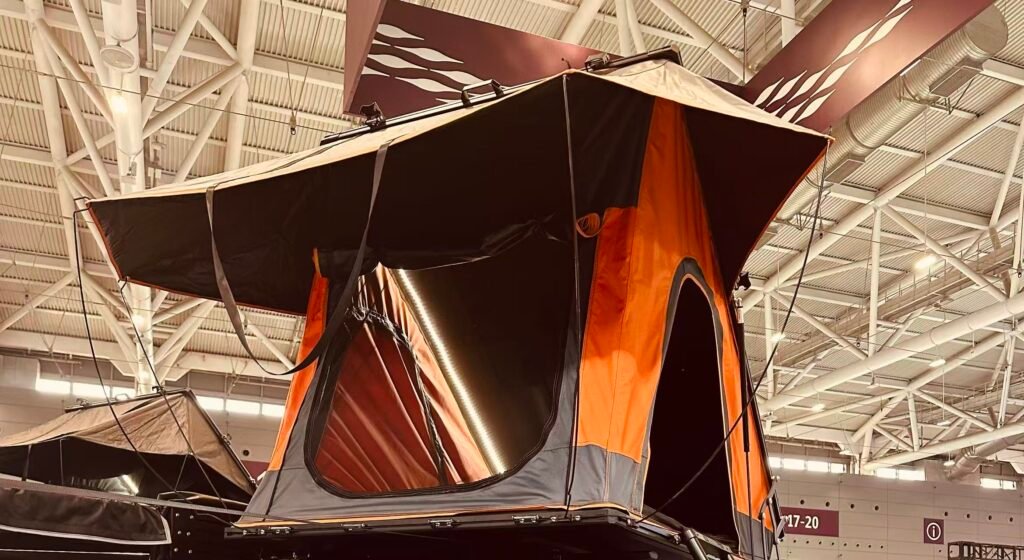
3. Lightweight Compact Rooftop Tents (Emerging Trend)
As more compact SUVs enter the overlanding scene, lightweight models are gaining popularity.
Key features:
- Reduced weight
- Easy installation
- Suitable for smaller vehicles
Dealer opportunity:
- Expand customer base
- Tap into urban outdoor markets
Which Rooftop Tent Sells Best?
There is no single “best” product—but there is a clear pattern in the market.
Market reality:
- Soft shell tents → higher volume sales
- Hard shell tents → higher profit margins
👉 The most successful dealers do not choose one—they build a balanced product mix.
Recommended Product Strategy for Dealers
To maximize both revenue and profit, consider the following structure:
Entry-Level Line
- Soft shell rooftop tents
- Lower MOQ
- Competitive pricing
Mid-Range Line
- ABS or hybrid hard shell tents
- Improved design and durability
Premium Line
- Aluminum hard shell rooftop tents
- High margin products
- Strong branding potential
👉 This strategy allows you to cover:
- Budget customers
- Mid-range buyers
- High-end overlanding enthusiasts
What Is Trending in 2026?
The overlanding market is evolving quickly. Here are the key trends dealers should watch:
1. Shift toward aluminum hard shell tents
Customers are prioritizing durability and convenience
2. Demand for fast setup systems
Pop-up designs are becoming standard
3. Focus on lightweight products
Vehicle compatibility is increasingly important
4. Growth of premium outdoor gear
Consumers are willing to pay more for quality
👉 Dealers who adapt early will gain a competitive advantage.
Common Mistakes Dealers Should Avoid
❌ Stocking only low-cost products
❌ Ignoring premium market demand
❌ Choosing products without understanding end users
❌ Not testing products before bulk purchase
👉 Successful dealers think beyond price—they focus on long-term value.
Final Thoughts
The overlanding market offers strong growth potential—but only for those who choose the right products.
- Aluminum hard shell tents lead the premium segment
- Soft shell tents remain important for volume
- Lightweight designs are shaping the future
👉 The best rooftop tent is not just the most popular one—it’s the one that fits your target market and business strategy.
📩 Looking for Best-Selling Overlanding Rooftop Tents?
We manufacture rooftop tents designed for overlanding markets:
✔ Aluminum hard shell models
✔ Soft shell entry-level options
✔ Lightweight and compact designs
✔ OEM & private label support
👉 Contact us today for catalog and product recommendations.

Pingback: How to Start a Rooftop Tent Business in Your Country (2026 Step-by-Step Guide) – Star Island