Introduction
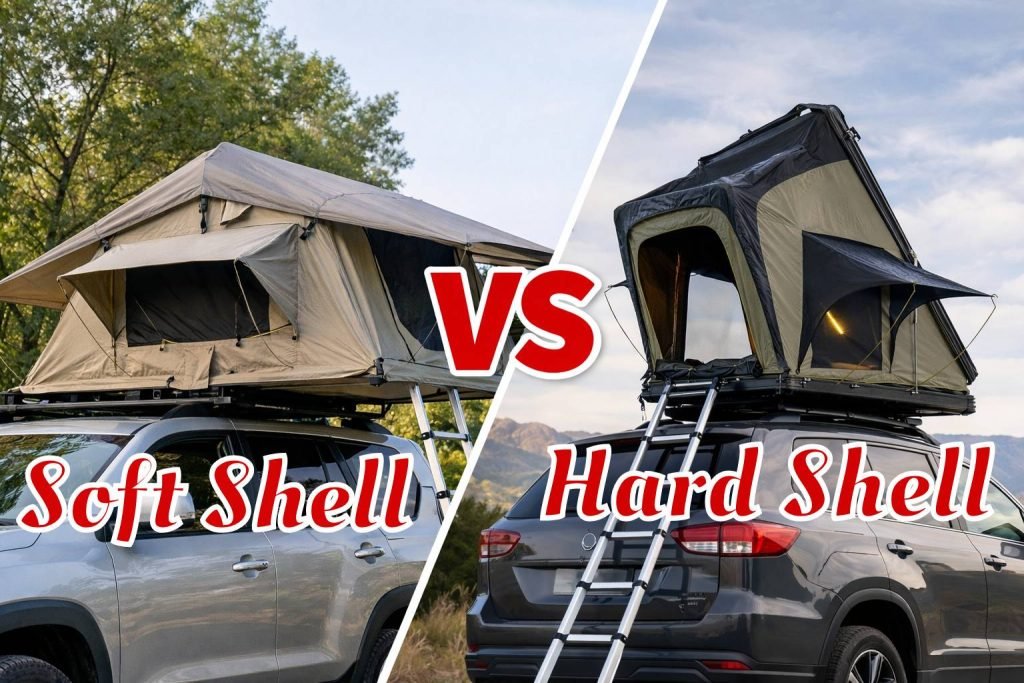
If you’re planning to sell rooftop tents, one of the most important decisions is choosing between soft shell and hard shell models.
Both have strong demand in the market—but they serve different customer segments, price points, and use cases.
In this guide, we’ll break down the key differences between soft shell and hard shell rooftop tents, and more importantly, help you decide which one sells better for your business in 2026.
What Is a Soft Shell Rooftop Tent?
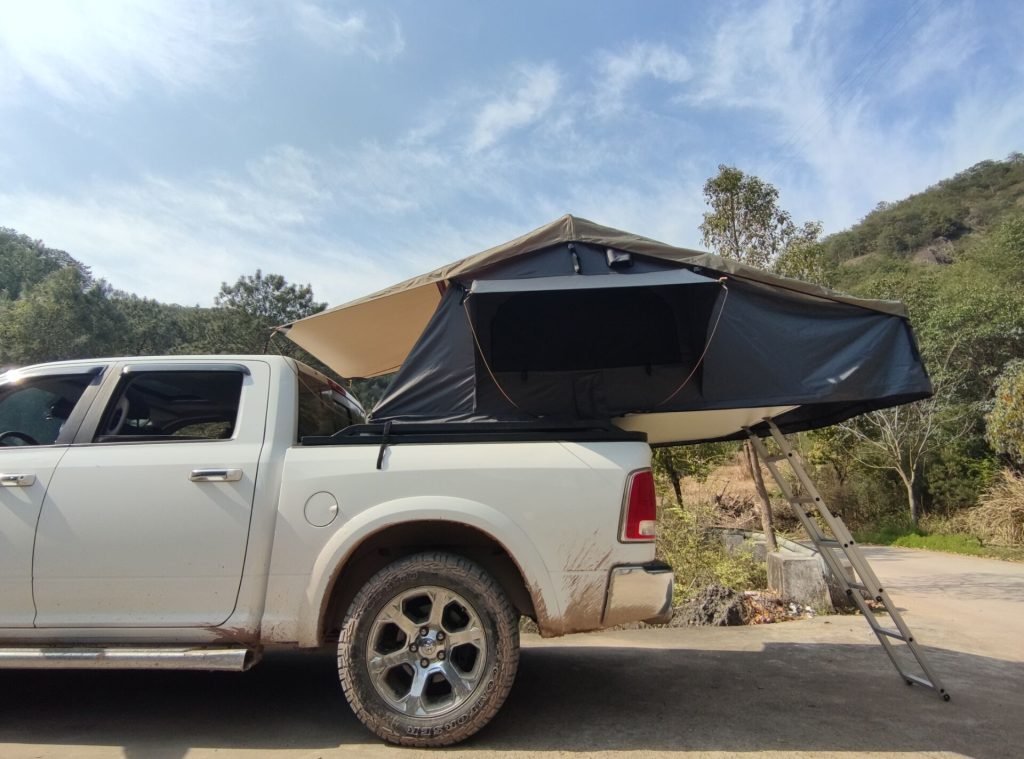
A soft shell rooftop tent is made with a folding frame and durable fabric cover.
https://starislandcamping.com/?post_type=product&p=1500&preview=true
Key features:
- Foldable design
- Larger sleeping space
- More affordable
- Comes with a travel cover
Pros:
✔ Lower cost → easier to sell
✔ Larger interior space
✔ Suitable for entry-level customers
Cons:
✖ Longer setup time
✖ Less aerodynamic
✖ Fabric wear over time
👉 Soft shell tents are ideal for budget-conscious buyers and beginners.
What Is a Hard Shell Rooftop Tent?
A hard shell rooftop tent features a rigid outer shell, usually made of aluminum or ABS.

https://starislandcamping.com/?post_type=product&p=1501&preview=true
Key features:
- Pop-up or clamshell design
- Hard protective exterior
- Sleek and compact
Pros:
✔ Quick setup (often within seconds)
✔ Better durability
✔ Premium appearance
✔ More aerodynamic
Cons:
✖ Higher cost
✖ Smaller sleeping space
✖ Higher MOQ for wholesale
👉 Hard shell tents are popular among premium customers and overlanding enthusiasts.
Soft Shell vs Hard Shell: Key Differences
| Feature | Soft Shell | Hard Shell |
|---|---|---|
| Price | Lower | Higher |
| Setup Time | Slower | Fast (seconds) |
| Space | Larger | Compact |
| Durability | Medium | High |
| Appearance | Standard | Premium |
| Target Market | Entry-level | Mid to high-end |
Which One Sells Better in 2026?
📈 Market Trend:
In recent years, the demand for hard shell rooftop tents—especially aluminum models—has grown rapidly.
Why?
- Consumers prefer convenience (fast setup)
- Overlanding trend is rising globally
- Premium outdoor gear is becoming more popular
👉 However, this doesn’t mean soft shell tents are outdated.
💡 Reality in the market:
- Soft shell = volume seller (higher quantity)
- Hard shell = profit driver (higher margin)
👉 Smart distributors usually sell both.
Which One Should You Stock?
Choose Soft Shell if you:
- Target entry-level customers
- Sell through online marketplaces
- Want faster turnover
Choose Hard Shell if you:
- Target premium market
- Want higher margins
- Build your own brand
Best Strategy (Recommended)
👉 Combine both:
- Use soft shell for volume
- Use hard shell (especially aluminum) for profit
What Dealers Are Doing in 2026
More and more distributors are shifting toward:
- Aluminum hard shell rooftop tents
- Lightweight designs
- Easy installation systems
👉 At the same time, they still keep soft shell models to cover entry-level buyers.
Common Mistakes to Avoid
❌ Only selling low-cost products
❌ Ignoring premium market demand
❌ Not understanding your customer segment
👉 A balanced product line is key to long-term growth.
Final Thoughts
There is no “one-size-fits-all” answer.
- Soft shell tents are great for volume and accessibility
- Hard shell tents are ideal for premium positioning and higher profits
👉 The best approach is to align your product selection with your target market and business strategy.
📩 Looking for the Right Rooftop Tent Supplier?
We manufacture both:
- Soft shell rooftop tents
- Aluminum hard shell rooftop tents
With:
✔ OEM & private label support
✔ Stable production capacity
✔ Competitive wholesale pricing
👉 Contact us today for catalog and product recommendations.
